



Pilote site
The Province of Bergamo
Italy
Pilote Site
The Province of Bergamo
Italy
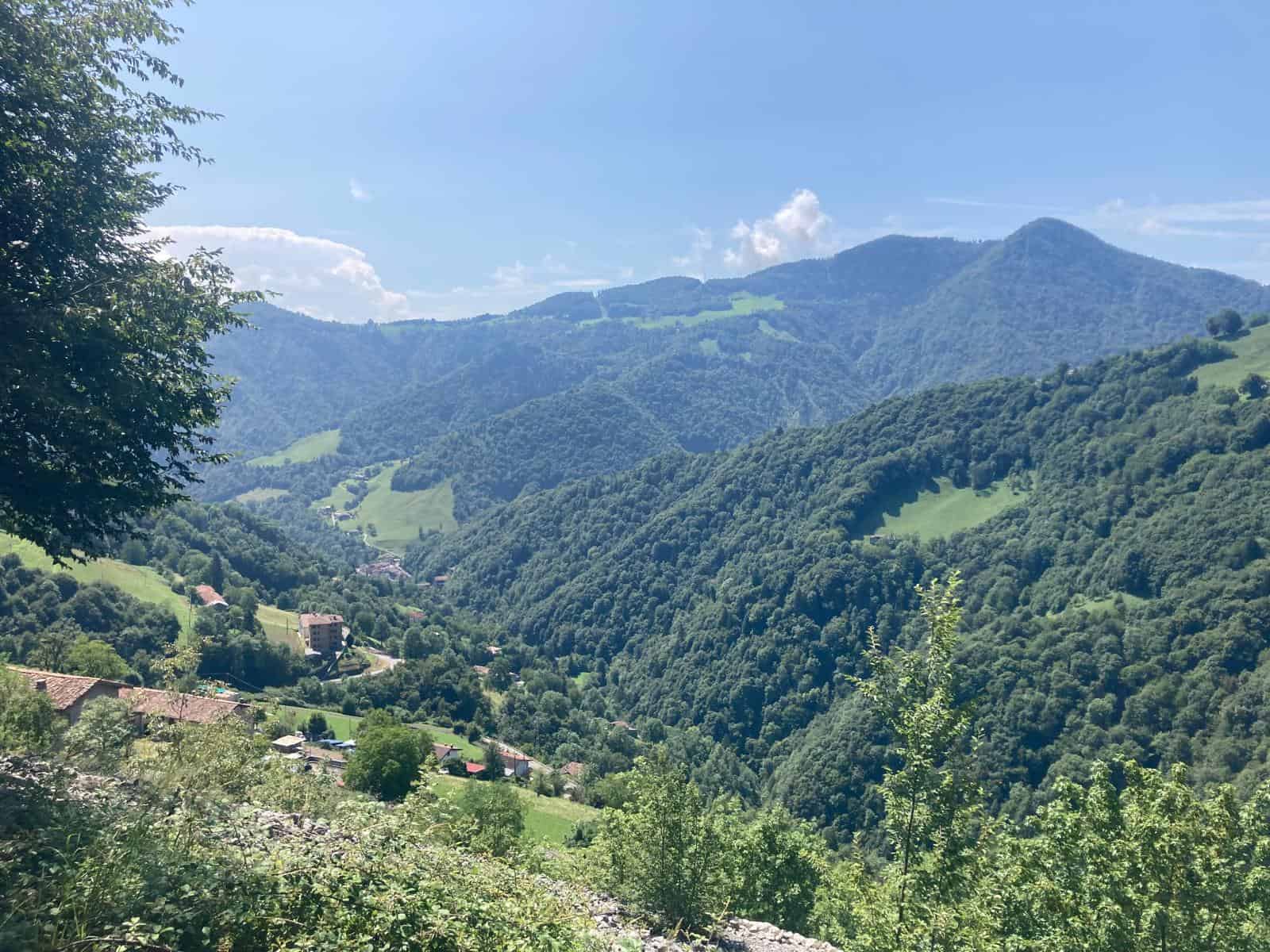
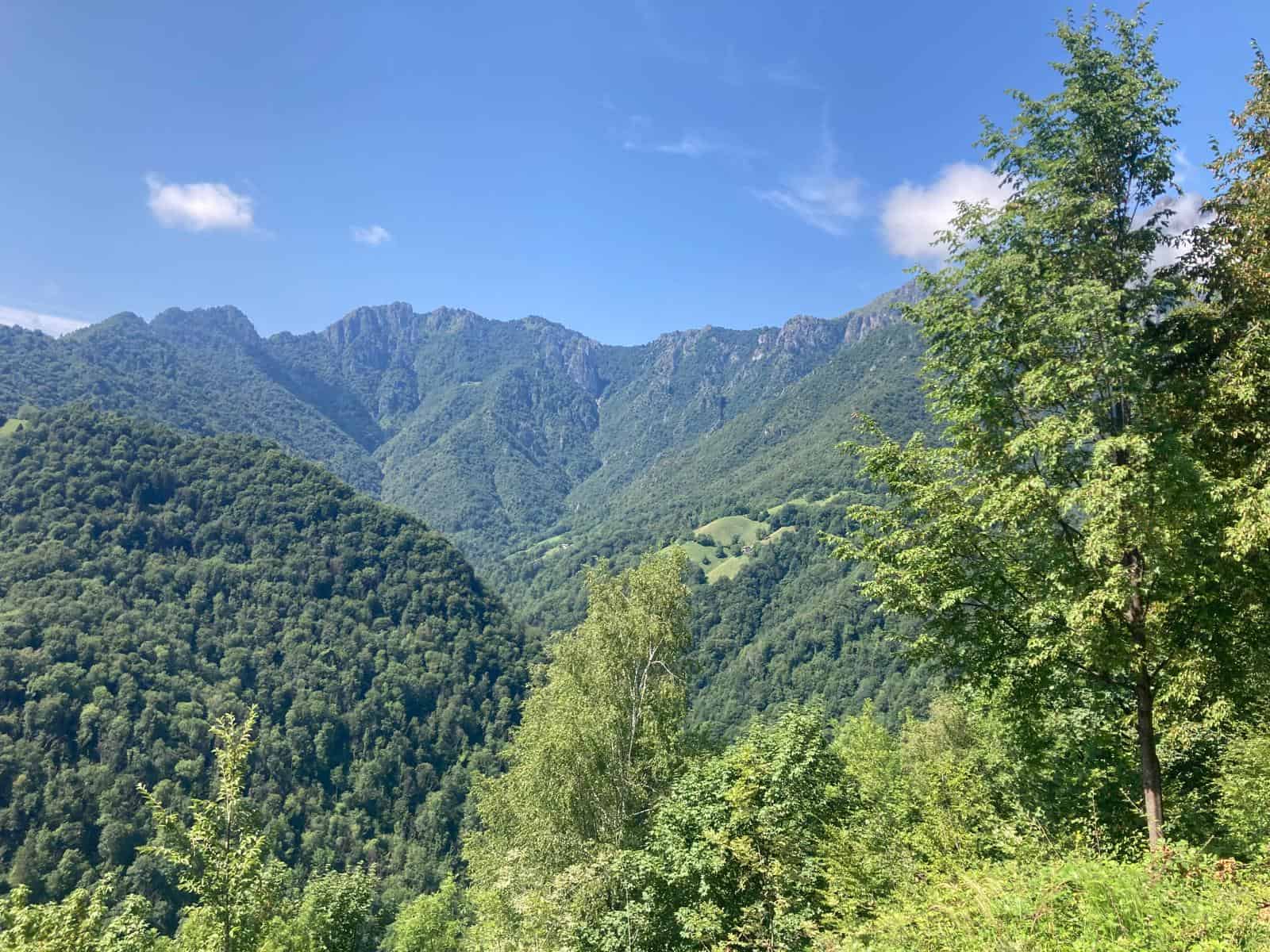
The Province of Bergamo pilot brings together four ecomuseums set in the mountain valleys of the Orobie and the Bergamo Prealps. Each one interprets its own territory through the trades and knowledge that once sustained life in the mountains.
Ornica
Ecomuseum
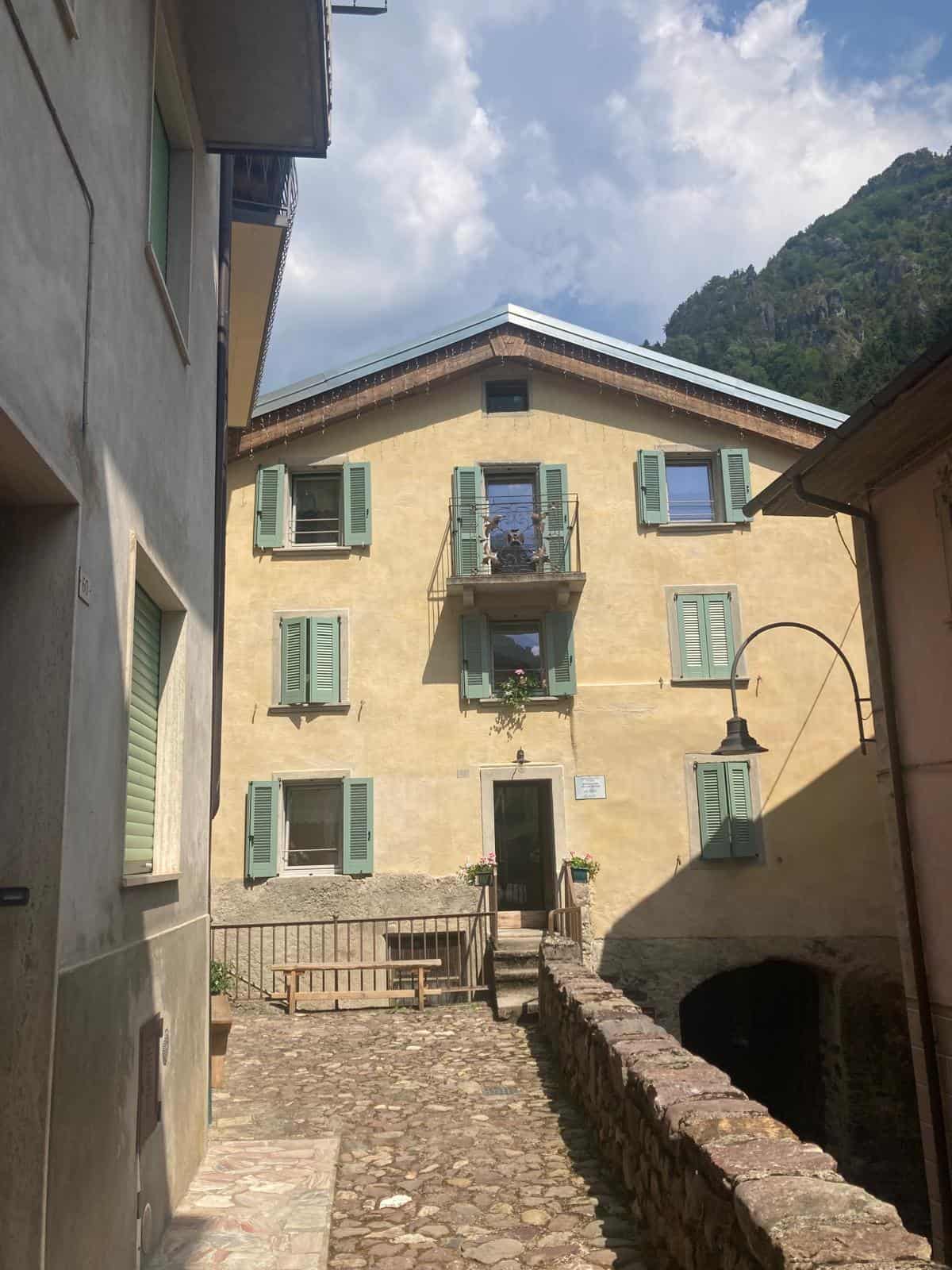
Protects an almost intact medieval village in the Orobie Park, where the frescoes of the Baschenis, local legends and blueberry growing meet a community-led model of hospitality, the Albergo Diffuso.
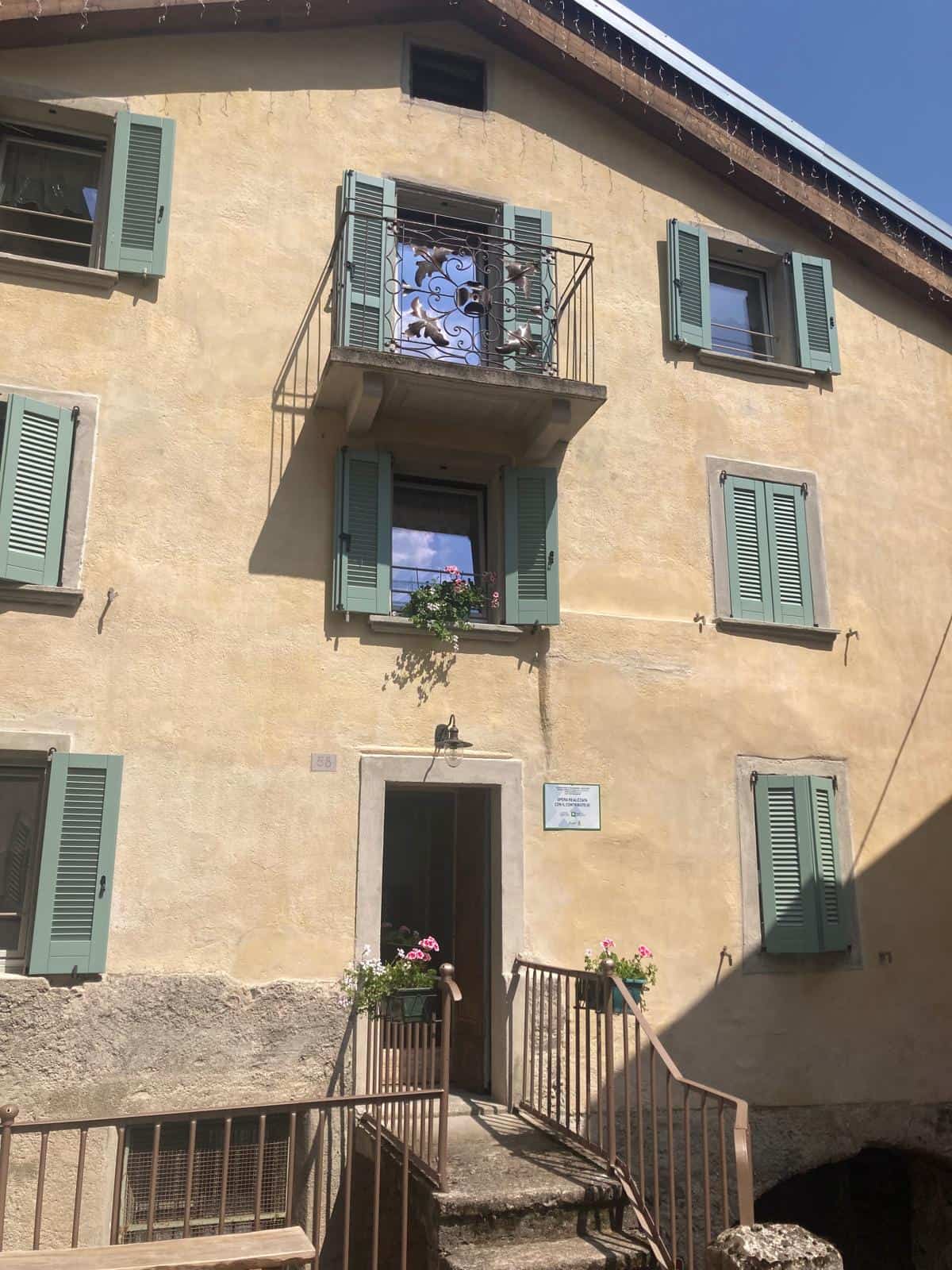
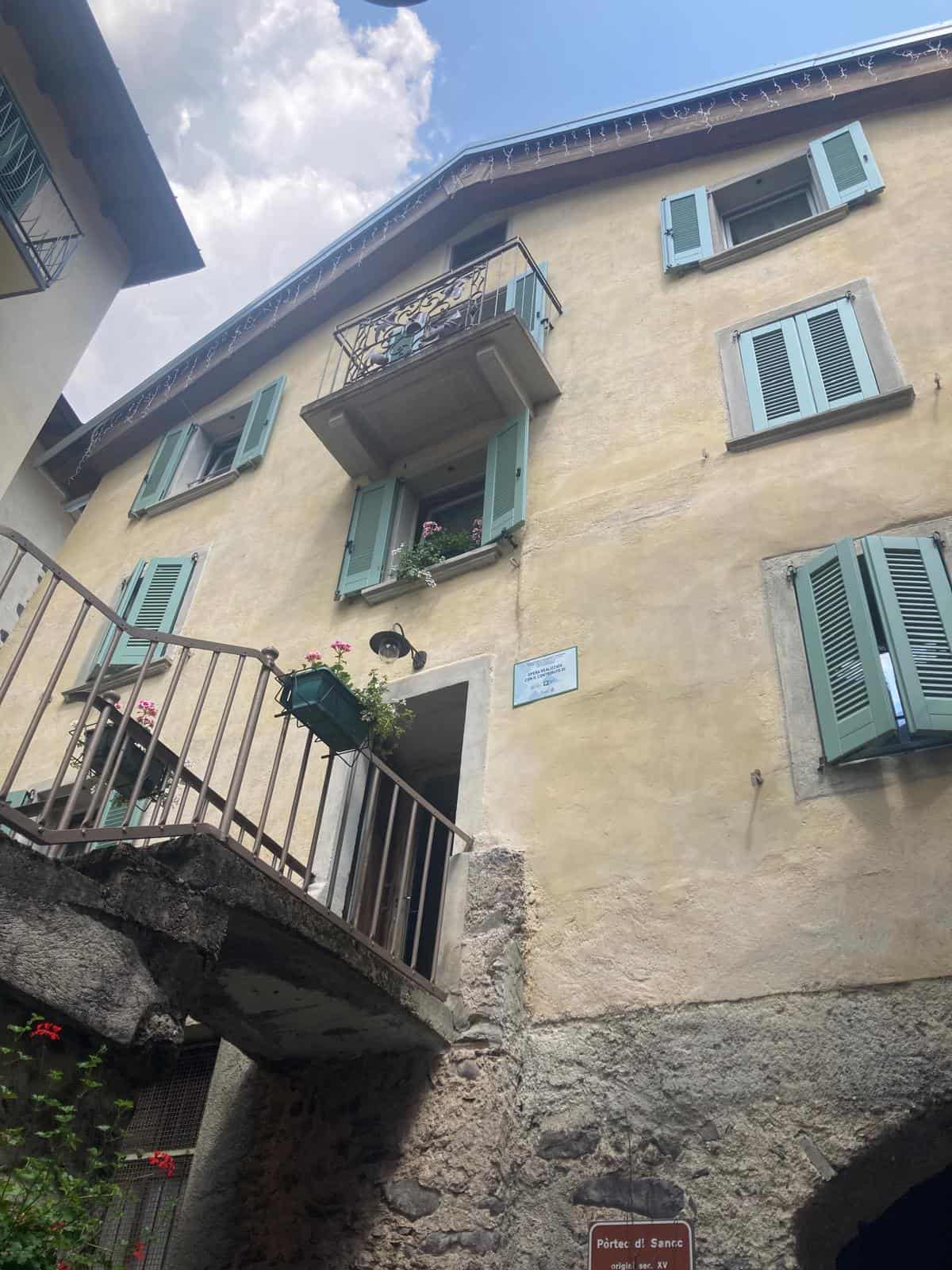
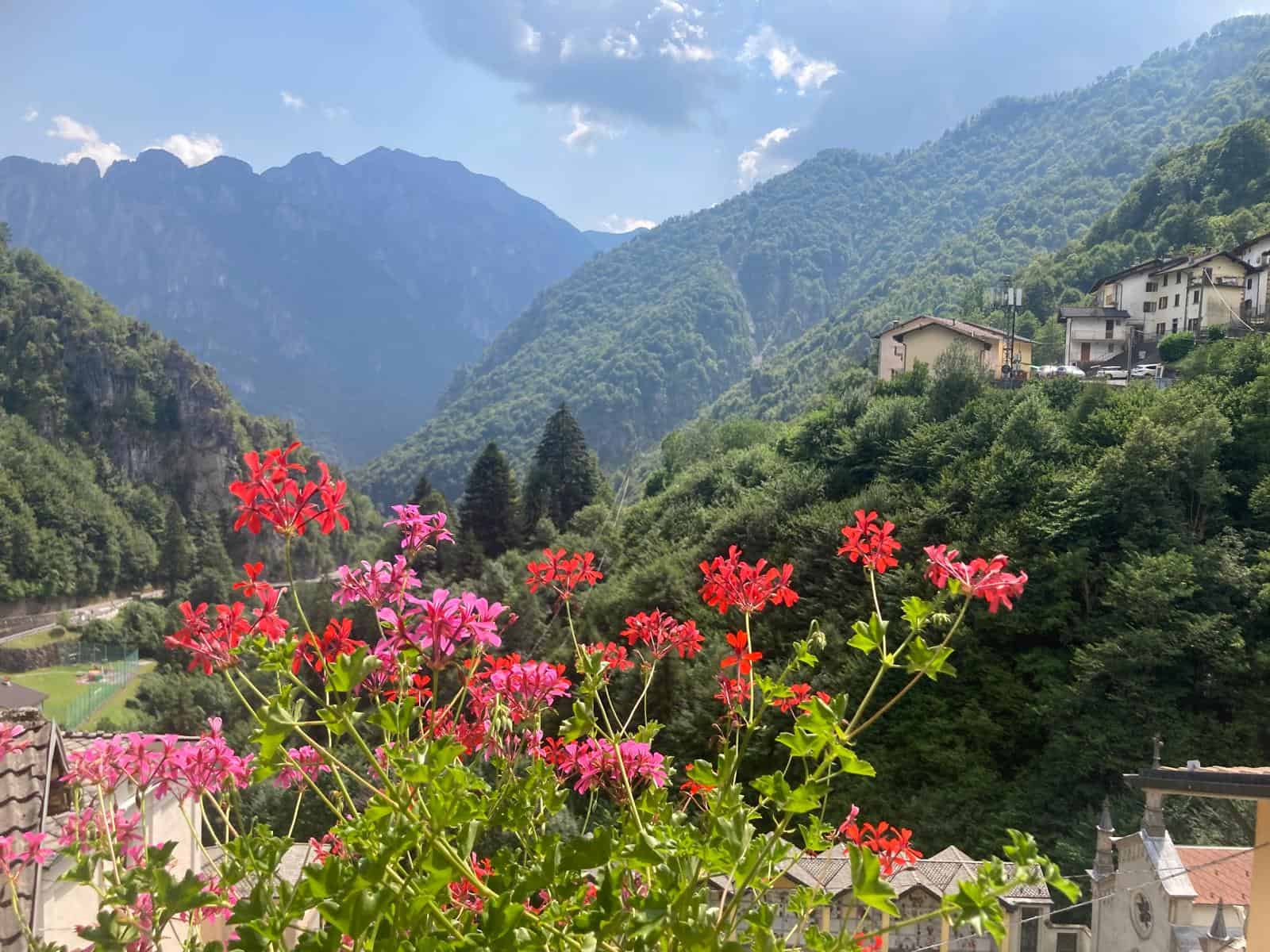
The Municipality of Ornica is an ancient rural settlement located in the upper Val Brembana (province of Bergamo), at an altitude of around 922 metres in the heart of the Orobie Bergamasche Regional Park. The municipal territory is home to the Ecomuseum of the Historic Centre – Rural Village of Ornica, which, since its establishment in 2009, has involved the entire community in safeguarding, preserving, reappraising and promoting local peasant culture, recovering traditions and ways of life handed down over the centuries. The ecomuseum’s action starts from the redevelopment and enhancement of the historic centre and mountain pastures, also making the most of the tourism and hospitality benefits this objective brings. The Ecomuseum is not a single building or place, but embraces the entire municipal area, from the historic village to the mountain pastures, making its features visible and accessible.
Val Taleggio
Ecomuseum
Celebrates the civilisation of Taleggio and Strachitunt cheeses, rooted in the seasonal movements of the bergamini herdsmen and in the traditional mountain huts (baite) scattered across the valley.
The Val Taleggio Ecomuseum in located in a side valley of the Val Brembana (province of Bergamo), cut into the mountain territory between the settlements of Sottochiesa, Pizzino, Peghera, Olda and Vedeseta. The Ecomuseum was born from the will of the communities of Taleggio and Vedeseta to protect and enhance a historical, architectural and cultural heritage closely tied to the rural tradition of the valley. Its official name — “Civilisation of Taleggio, Strachitunt and Typical Mountain Huts” — explicitly evokes the three pillars of local identity: the cheese-making tradition (with Strachitunt, Italy’s only two-curd blue cheese, now a Protected Designation of Origin product), the rural architecture of the mountain huts (baite), and, more broadly, the civilisation of the bergamini, the transhumant herders who for centuries have shaped the landscape and economy of the valley.
Valtorta
Ecomuseum
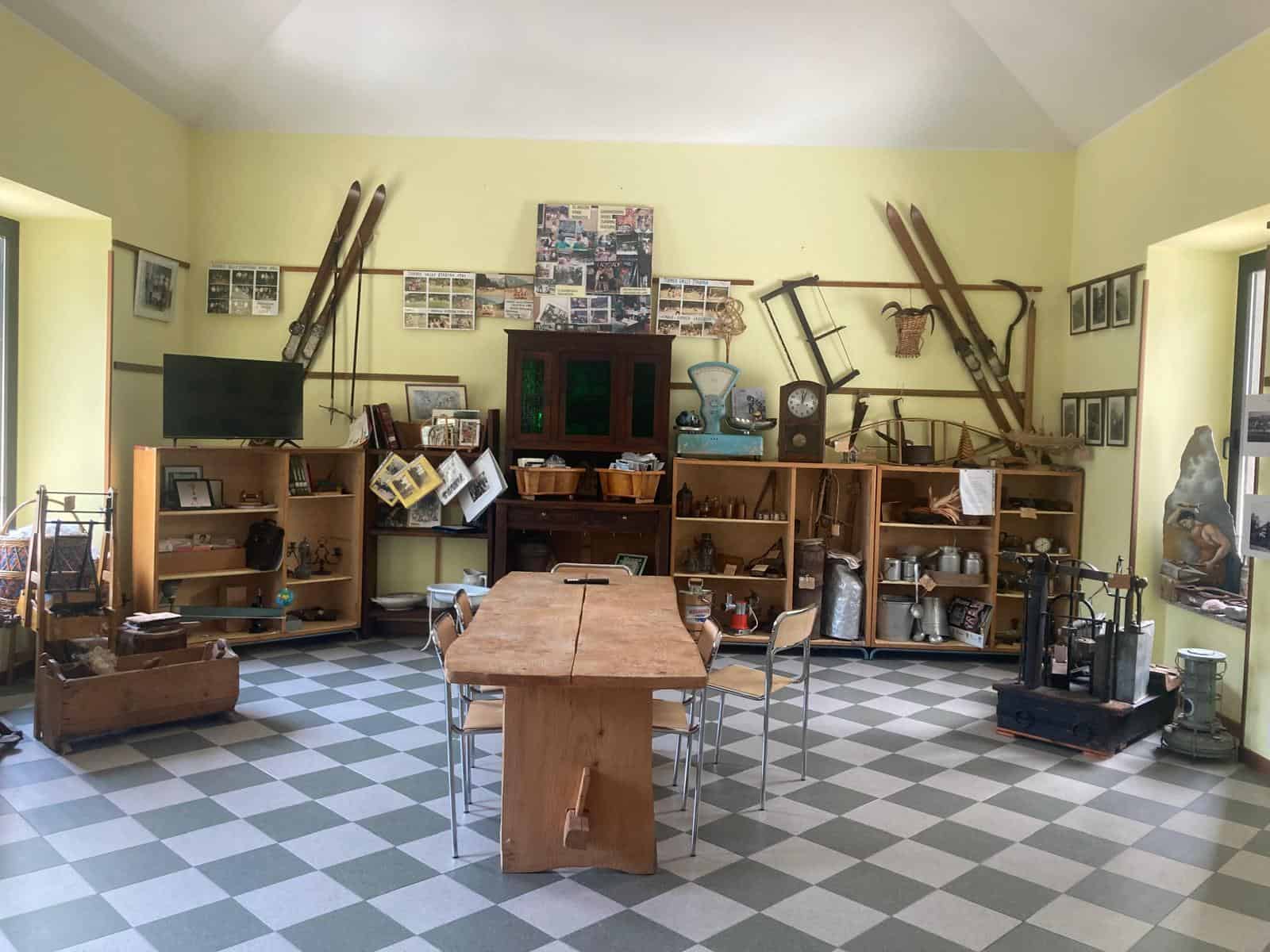
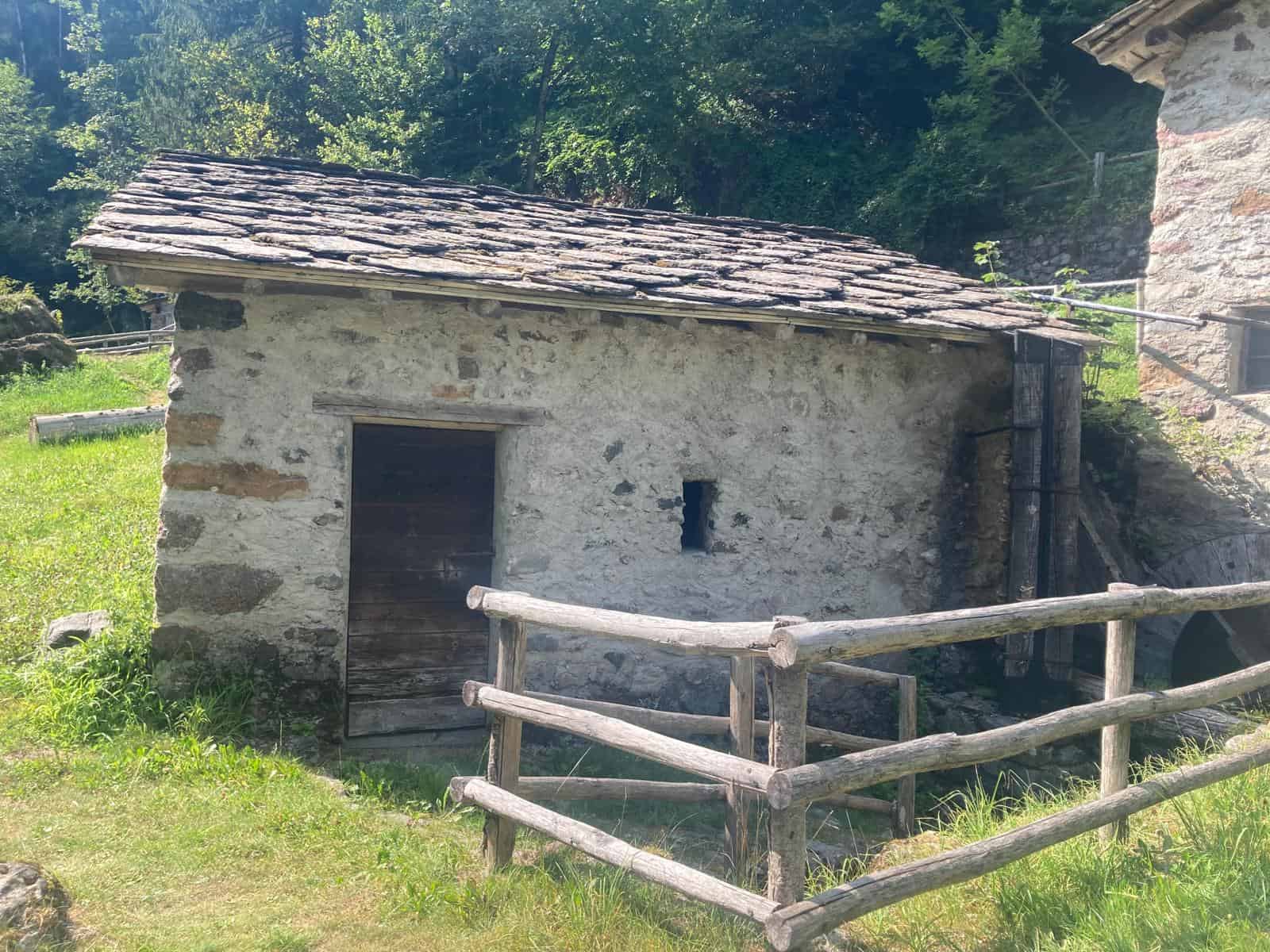
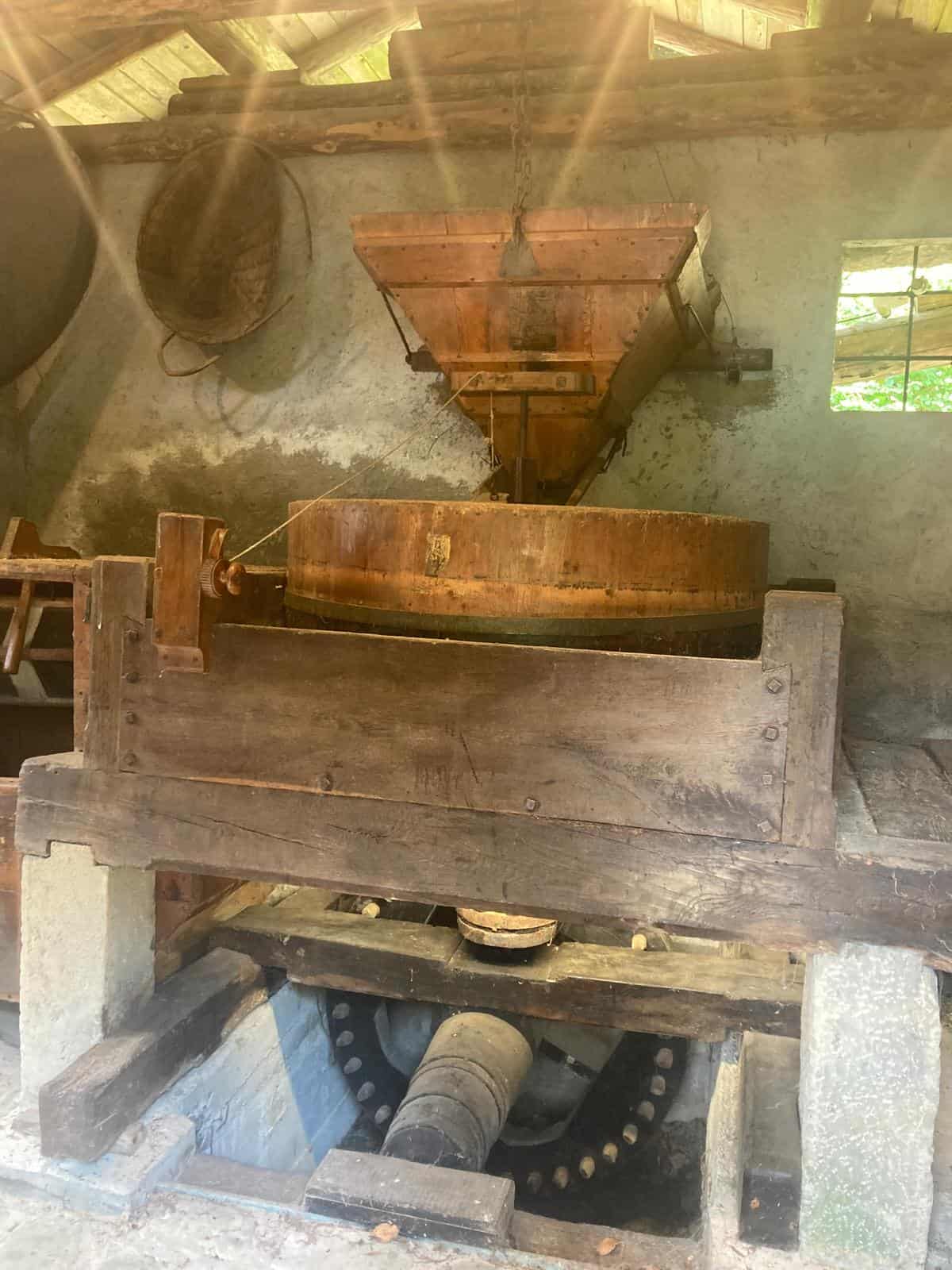
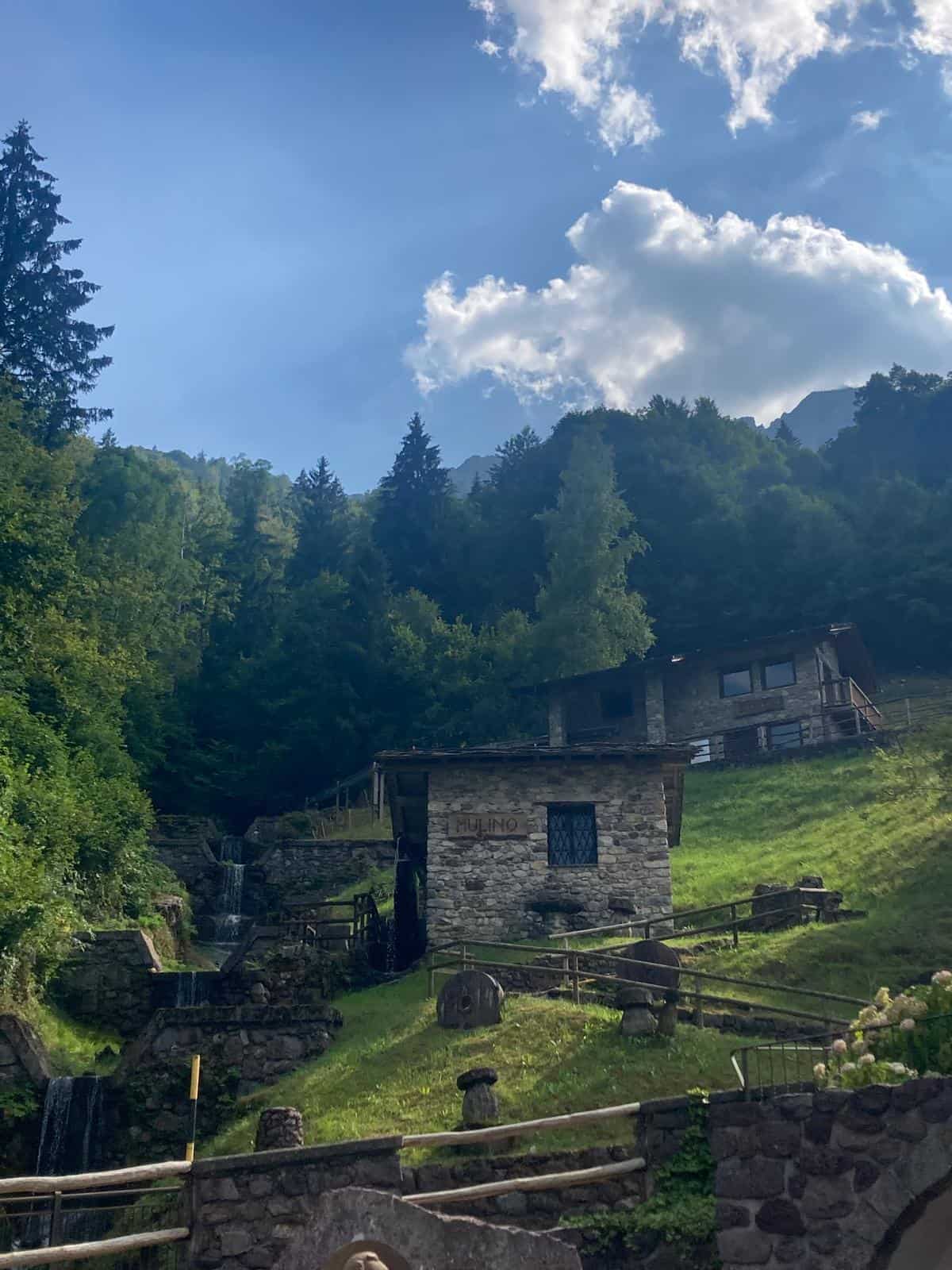
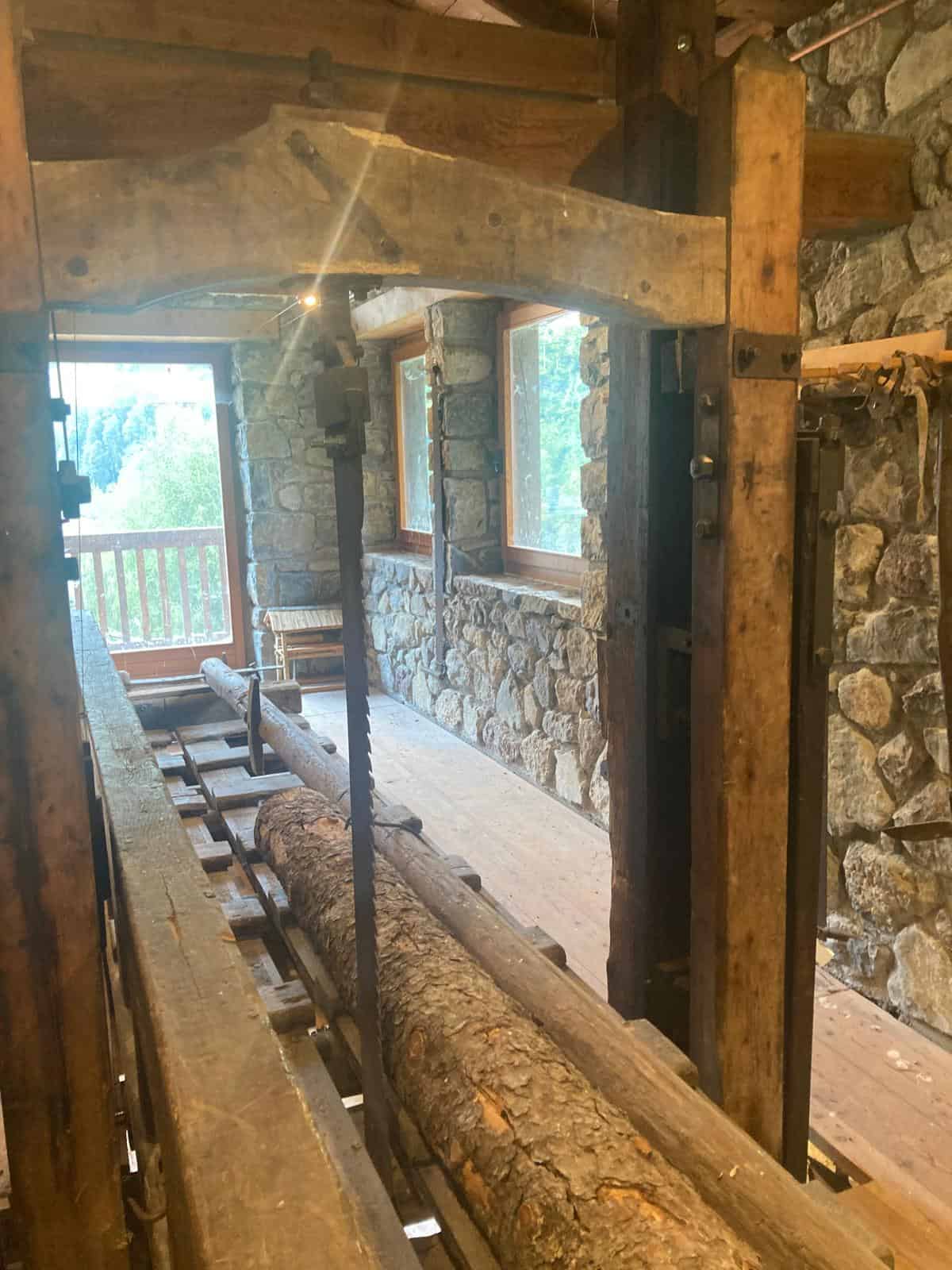
In the upper Brembana Valley, is built around the former Casa della Pretura and a water-powered mill, forge and sawmill, still demonstrated in operation, together with the local dairy tradition.
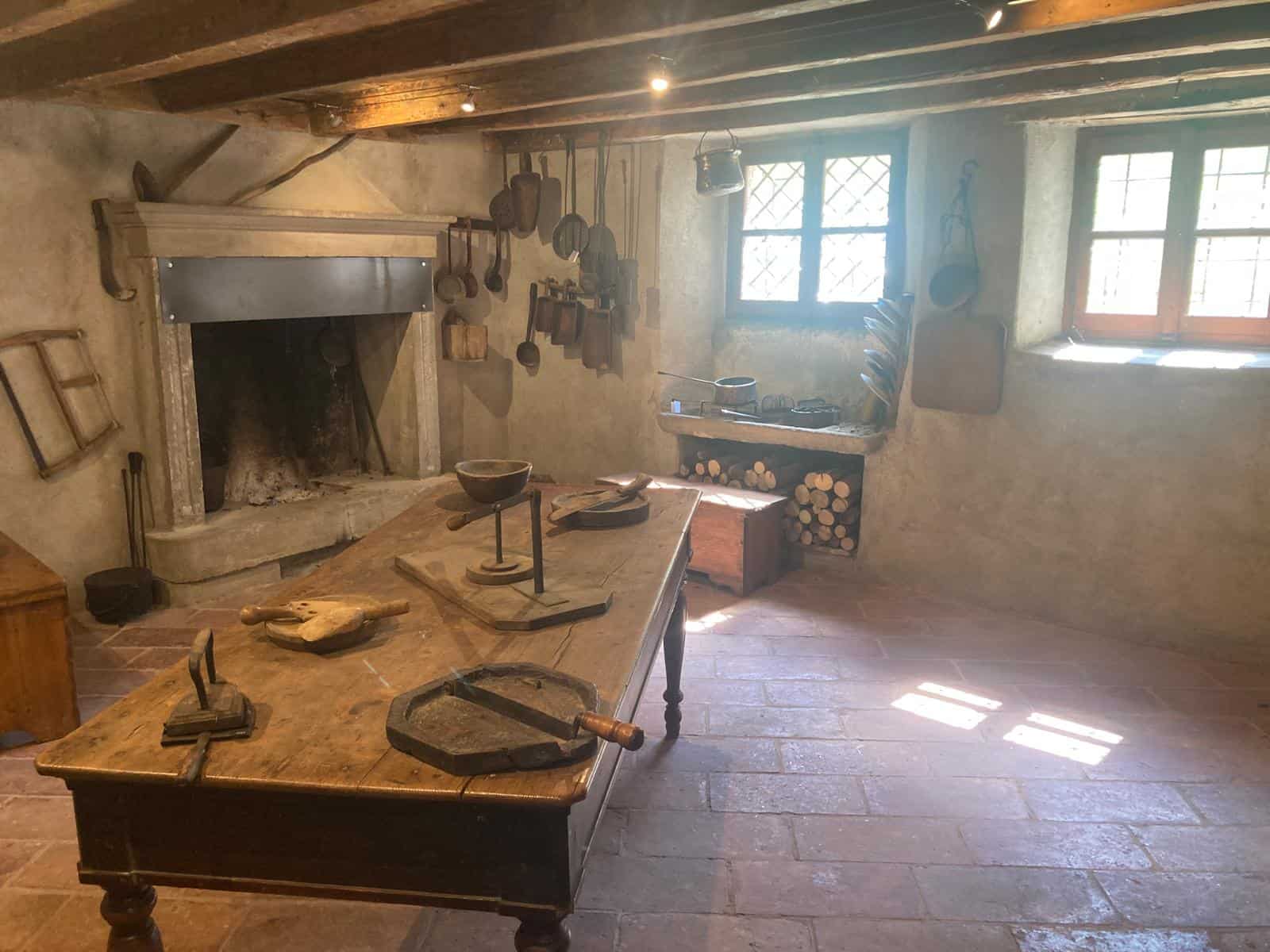
The Municipality of Valtorta is a high-mountain village located at the north-western end of the Valle Brembana (province of Bergamo), on the border with Valsassina and Valtellina. The Municipality is home to the Ethnographic Museum of Alta Valle Brembana, part of a process of recovery and conservation of tangible and intangible heritage begun in the early 1980s, which gathers testimonies of centuries of local life. Since then, the ethnographic eco-museum has become a living entity: not only a complete and accurate reconstruction of the house, its rooms and the objects of the past, but also the hub of a genuine museum system extending to all the historic sites of the territory, including the Church of the Tower with its precious frescoes, the wall paintings adorning the 43 wayside shrines (“tribuline”) at the crossroads of ancient mule tracks, the outdoor frescoes, the mill, the forge-mill, the mines, the smithies, the sawmill — once the mainstays of the local economy — and the clock tower.
Gorno Mines
Ecomuseum
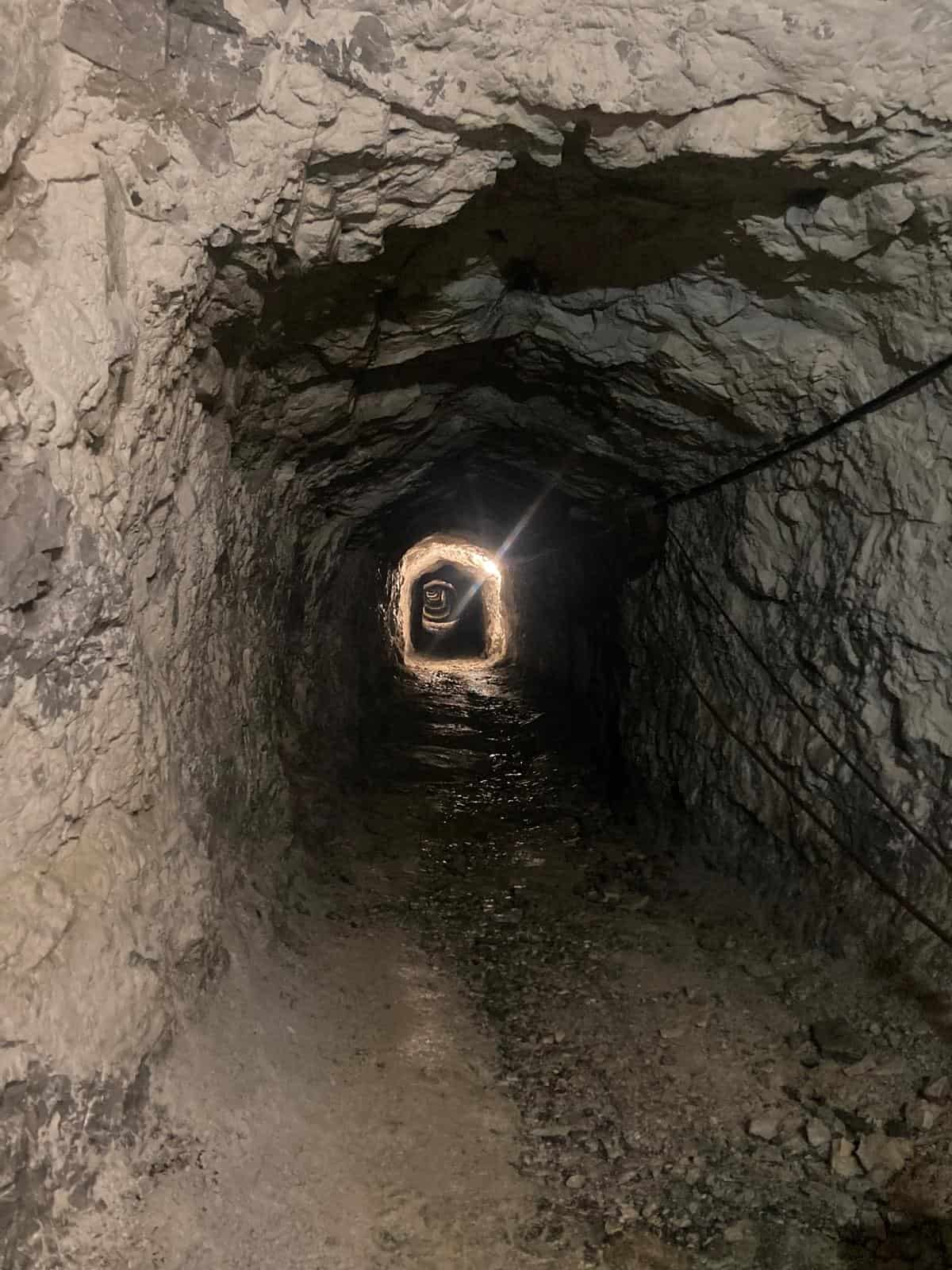
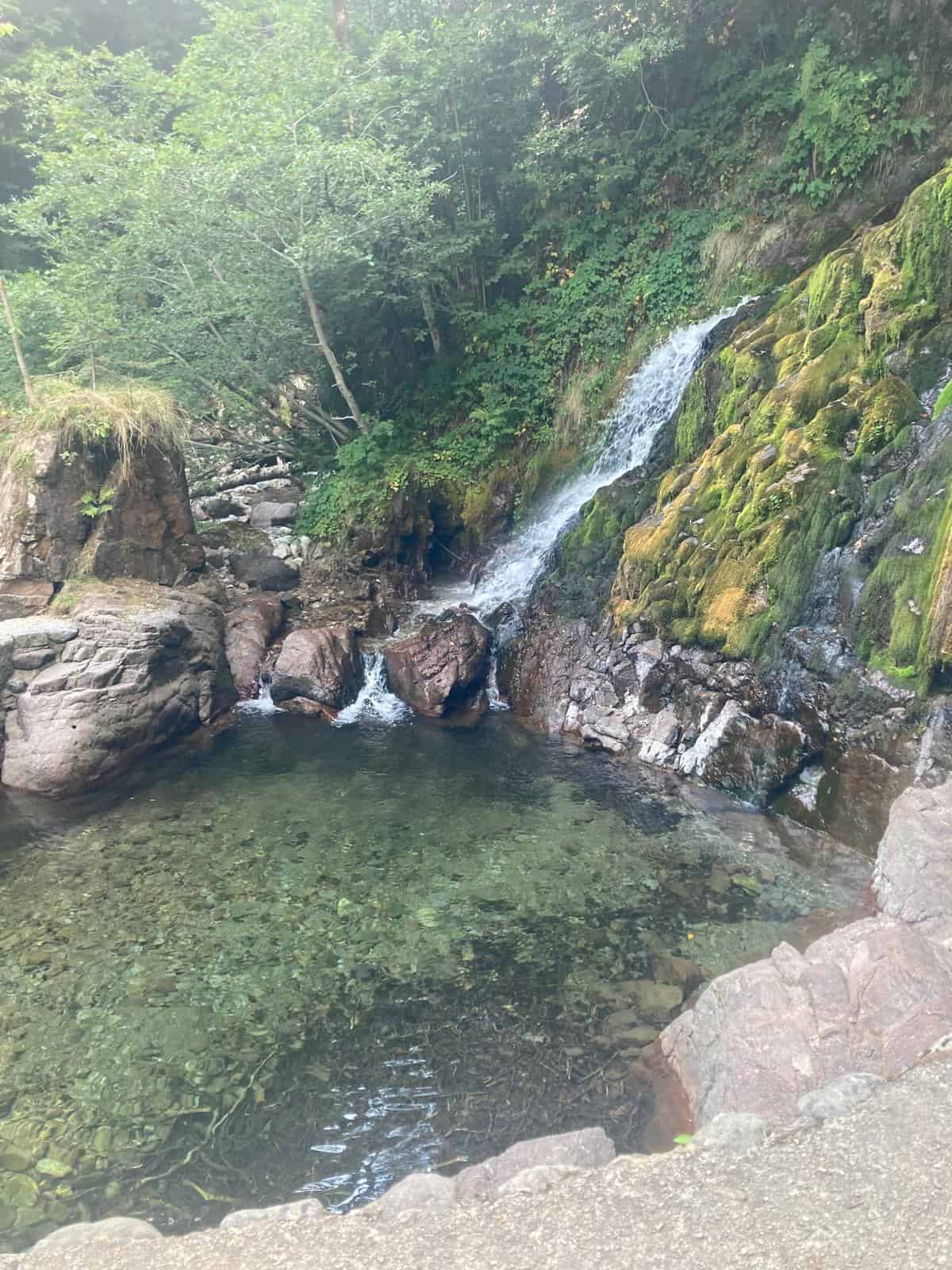
Peserves the memory of more than a century of lead and zinc mining in the Val del Riso, through a museum, a mining archive, industrial remains and the stories of the miners and of the taissine, the women who sorted the ore.
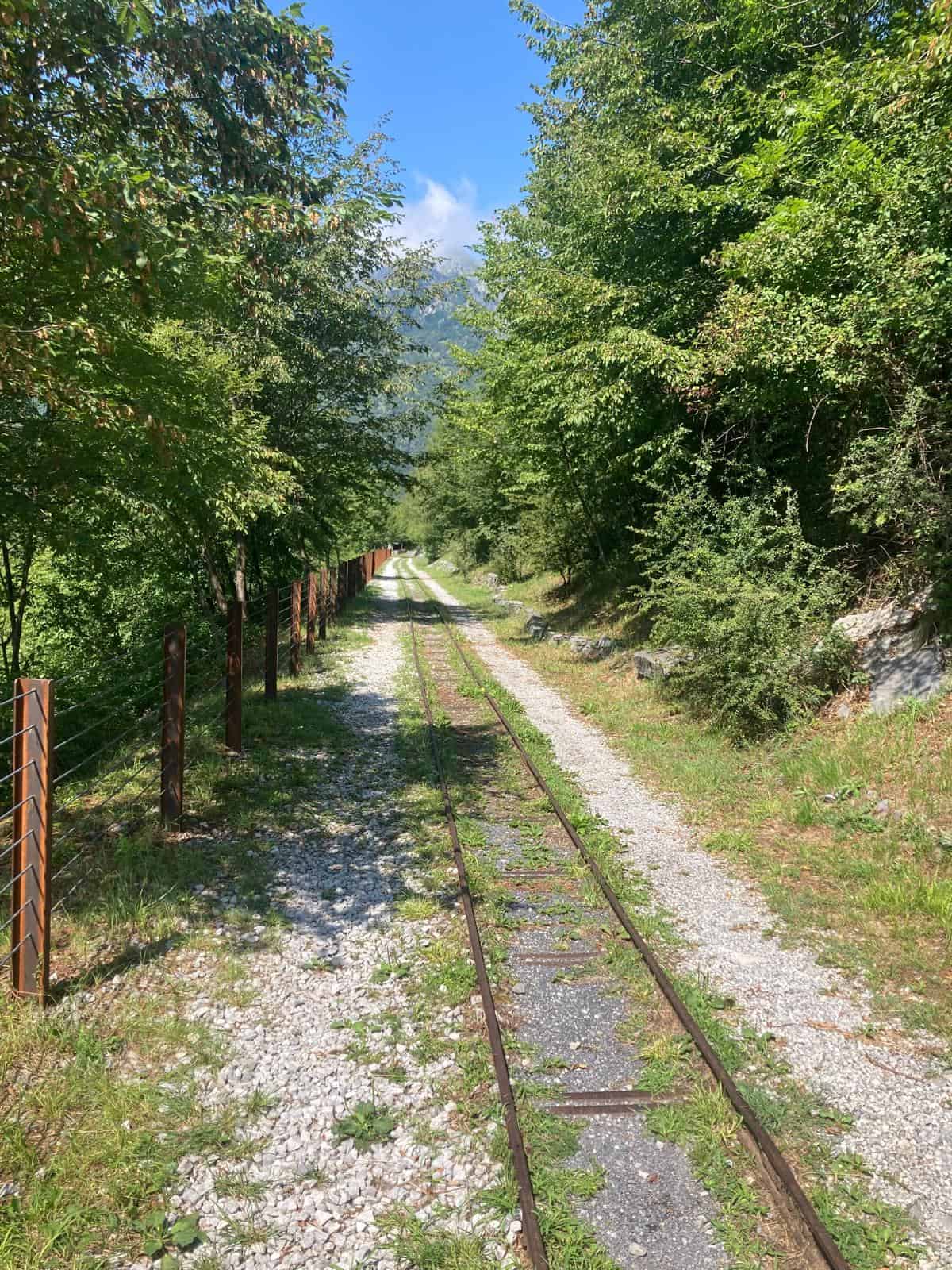
The Municipality of Gorno is located in the Valle Seriana (province of Bergamo) and is home to the Ecomuseum of the Gorno Mines, created with the aim of strengthening the local community’s bond with its own roots, history and traditions through research, safeguarding and enhancement of the culture and territory. The community of Gorno’s distinctive activity, which helped shape the landscape itself, was once mainly mining; however, the mining world has always been deeply linked to the rural one, to mountain pastures and to forest management: outside the tunnels, miners tended livestock, made cheese for their families, gathered wood and herbs, and turned to the saints of tradition for every spiritual and material need. To explore and enhance this rich cultural and landscape heritage, the ecomuseum weaves together themes that only appear separate but in fact belong to the same sphere: the interaction between people, work, the mountain and its spirituality.